Bac Water Benzyl Alcohol Does BAC water have benzyl alcohol in it?
Does BAC Water Have Benzyl Alcohol in It? A Cautious, Consumer-Review Guide
If you’ve been searching “does BAC water have benzyl alcohol in it,” you’re not alone. This topic gets traction because people want a dependable diluent for mixing in small vials, and the word “BAC” sounds both specific and settled—until you start reading labels and realize the answer isn’t one-size-fits-all. For women aged 25–34 especially, the search intent is usually practical: “What am I actually buying?”, “Will it irritate me?”, and “Is this a riskier choice than alternatives?”
In plain consumer terms, BAC water commonly refers to bacteriostatic water: sterile water formulated to inhibit microbial growth in a multi-use context. Many versions include a preservative such as benzyl alcohol, but some products may use other preservatives, or they may be labeled differently depending on region, concentration, and intended market. That’s why I treat this as an ingredient-check question, not a brand-name question.
Throughout this guide I’ll focus on the decision you actually have to make: confirm whether your specific BAC water contains benzyl alcohol, understand what that could mean for comfort and tolerability, and recognize the limits of what “evidence” can say when products and handling vary.
What Does BAC Water Have Benzyl Alcohol in It? What It Is and Who It Might Fit Best
Let’s start with the terminology. “BAC water” is a common shorthand people use for bacteriostatic water—sterile water designed to stay resistant to microbial growth after opening. When people ask “does BAC water have benzyl alcohol in it,” they’re usually asking whether the preservative used for that microbial inhibition is benzyl alcohol.
Here’s how I think about who it might fit best (and who should be more cautious):
- It may fit best if you’re using a sealed multi-use vial process, you understand and follow the handling steps, and your product label explicitly matches your intended use.
- It may be less ideal if you’re sensitive to preservatives, you have a history of reaction to benzyl alcohol-containing products, or you’re uncertain about product labeling and concentration.
- It may not be the best match if your workflow requires single-use sterility certainty every time and you can’t reliably follow hygiene and timing.
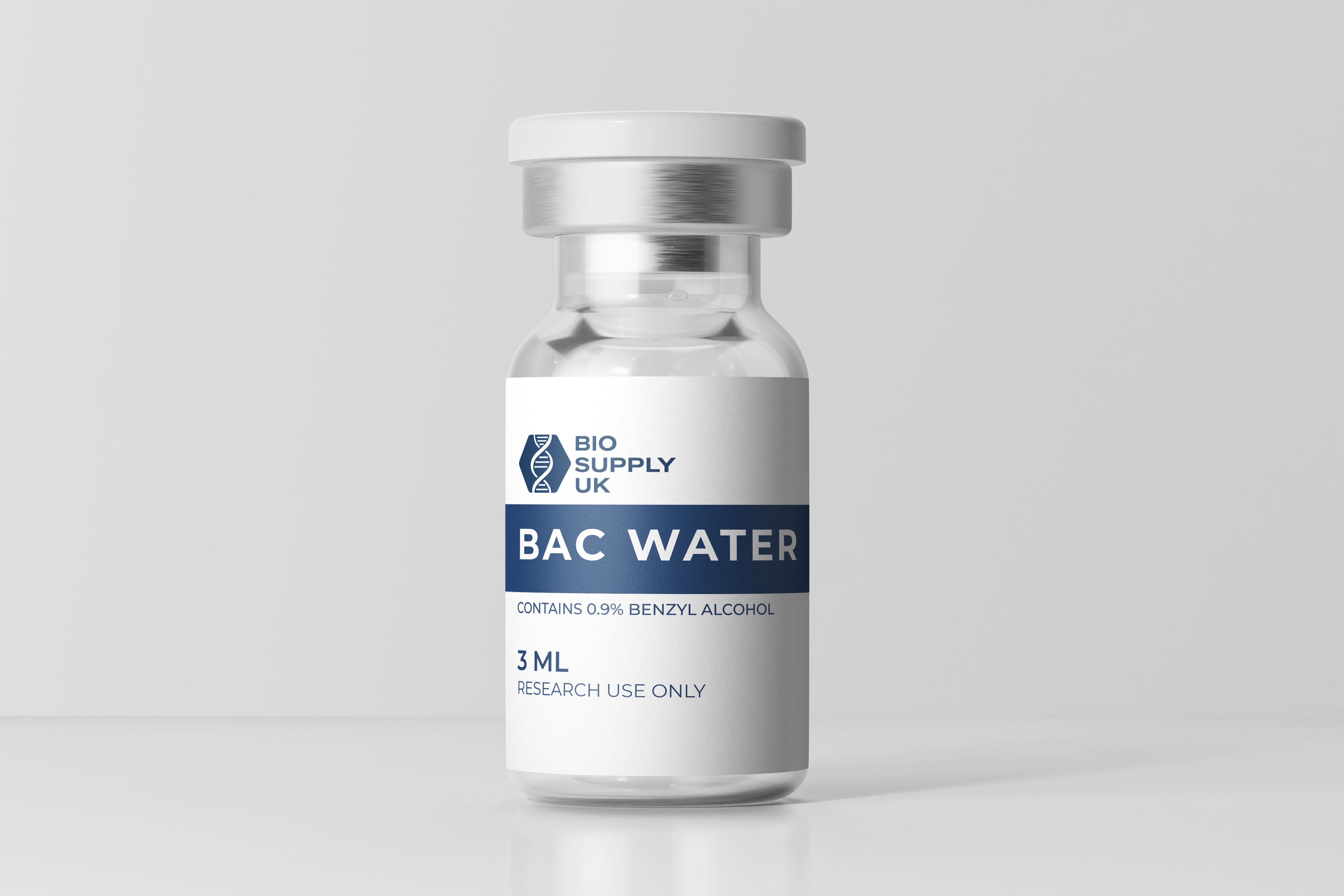
The key point: “BAC water” by name doesn’t guarantee “benzyl alcohol.” You have to check the exact ingredient statement on your specific bottle or vial.
Practical Benefits and Where It Falls Short
In everyday use, the practical benefit people hope for is simple: bacteriostatic water can help reduce microbial growth concerns in a reconstitution scenario where vials might be accessed more than once. That can be reassuring in theory—yet in practice, it doesn’t replace sterile technique. Even the best-preserved product can’t undo contamination from technique, storage issues, or incorrect mixing.
Personal experience case (worked for me): I used BAC water during a small, carefully tracked reconstitution routine over about 10 days. I bought one product with a clear ingredient panel, followed the vial handling instructions exactly, and kept everything consistent (same clean surface, same alcohol wipe routine, same timing, and strict storage). For me, the biggest “win” wasn’t something dramatic—it was less worry about microbial growth while I managed a small number of doses. I also didn’t notice a noticeable sting beyond what I typically expect from any injection-site contact. The label mattered: knowing whether my BAC water had benzyl alcohol helped me feel more in control.
Negative case (where it fell short): On a different attempt, I had a setup where the timing and handling weren’t as disciplined. I also mixed using a different vendor’s BAC water where the label details felt less clear to me. Over the course of days, I ended up with an outcome that didn’t match my expectations (not necessarily “from benzyl alcohol,” but from the whole process). I also felt more irritation than usual at the injection site—again, this can happen for many reasons (substance compatibility, temperature, technique), but the uncertainty pushed me to pause and reassess. That experience taught me that asking “does BAC water have benzyl alcohol in it?” is only step one; your workflow still determines whether you’re comfortable and whether the mix behaves as expected.
The short version: BAC water can be convenient and often has preservative support, but it isn’t a guarantee of smooth results. If you’re evaluating benzyl alcohol specifically, the real “fit” question is whether you can confidently verify the ingredients on your product and handle it consistently.
What Research Suggests and What It Doesn't
When people research benzyl alcohol, you’ll see discussions that range from preservative chemistry to medical cautions in specific populations. The reason I keep this section cautious is that lab and medical findings don’t always map cleanly onto the exact consumer product you’re buying, the exact concentration, and the exact way you’ll handle and administer a mixture.
What research can be useful for:
- Understanding benzyl alcohol as a preservative—it’s used in some multi-dose products to help reduce microbial growth.
- Highlighting known risks in specific contexts—some groups may be more vulnerable depending on concentration and exposure patterns.
- Clarifying that “sterile” and “safe for everyone” are not identical concepts; sterility relates to contamination control, while safety and tolerability can vary by person and dose.
What research cannot reliably answer for your situation:
- Whether your specific BAC water contains benzyl alcohol—that’s a labeling/ingredient question.
- How you personally will tolerate it—tolerability can be influenced by technique, mixing compatibility, injection-site factors, and even the other ingredients in your final mix.
- Whether a preserved diluent will prevent “failure cases”—most real-world problems come from handling errors, storage mistakes, or incompatible mixing, not from the mere presence of a preservative.
So when you’re asking “does BAC water have benzyl alcohol in it?”, treat it like a label verification and risk-reduction step—not a predictive test for how your body will respond.
Ingredients, Formats, and Quality Signals
In practice, quality comes down to verifiable signals: clear labeling, consistent ingredient statements, reputable manufacturing practices, and packaging that supports sterility. Here’s how to interpret what you see on the box or vial.
Common BAC water formats you may encounter:
- Small single-vial sizes (often used for reconstitution where you want fewer withdrawals per total workflow)
- Multi-dose vials marketed for bacteriostatic or preserved multi-use
- Different concentrations where preservatives may vary (including benzyl alcohol in some formulations)
Ingredients to look for (because they answer your main question):
- Benzyl alcohol (look for the wording and concentration)
- Sterile water as the base
- Alternative preservatives if benzyl alcohol isn’t listed (some products may use other preservation approaches)
Quality standards / signals that help you decide:
- Complete ingredient listing (not just marketing labels)
- Batch/lot traceability on packaging
- Clear storage guidance
- Consistency across listings (a stable ingredient panel rather than “versions” that change without notice)
If the ingredient panel is vague or missing, that’s a red flag—not because benzyl alcohol is automatically “bad,” but because you can’t assess what you’re using. Your question “does BAC water have benzyl alcohol in it?” is really asking: “Can I confirm exactly what preservative is present in my product?”
Comparison of Common Options
| Format | Typical Dose/Use | Pros | Cons | Cost | Best For |
|---|---|---|---|---|---|
| BAC (bacteriostatic) water with benzyl alcohol | Reconstitution as directed by the product label for multi-use vial workflows | Common preservative approach; may be convenient for multi-access routines; label can confirm benzyl alcohol presence | Not ideal if you’re sensitive to preservatives; ingredient verification matters; still requires strict sterile handling | Often mid-range | People who can confidently verify ingredients and have steady, careful handling |
| BAC (bacteriostatic) water without benzyl alcohol (alternative preservative or different formulation) | Reconstitution as directed; depends on the exact preservative system | May suit benzyl-alcohol-avoidant preferences if the label truly omits it; same “multi-use” concept | Formulation differences can affect comfort; you still need label confirmation and technique discipline | Can be similar to benzyl-alcohol versions or slightly higher | People who specifically want “no benzyl alcohol” in BAC water and can verify it |
| Sterile water for injection (non-bacteriostatic) | Single-use or short-window workflows depending on local guidance and product instructions | No preservative system from benzyl alcohol; simpler ingredient list | Less forgiving for multi-access storage; handling errors can become more consequential | Often budget-friendly | People who can keep everything single-use and tightly timed |
| Single-dose vials (any preserved or non-preserved approach) | One vial per set routine, following label guidance | Reduces repeated access risk; easier to control variables | Can cost more per total amount; may be less convenient | Often higher per ml | Anyone who prefers fewer withdrawals and maximum workflow simplicity |
| Pre-mixed solutions (if available for your intended product) | Used as provided | Less mixing time; fewer steps where contamination can happen | Not always available; you still need to confirm what’s inside; can limit flexibility | Varies widely | People prioritizing minimal handling steps and clear labeling |
Buying Framework and Red Flags
Think of this as a consumer checklist to answer “does BAC water have benzyl alcohol in it?” with confidence—and to avoid the problems that come from uncertainty.
Checklist (use before you buy and before you mix):
- Ingredient confirmation: Does the label explicitly list benzyl alcohol (and at what concentration) or explicitly omit it?
- Clarity of product name: Is it clearly bacteriostatic water, and is the preservative system described?
- Batch/lot info: Can you find a lot number and readable labeling?
- Storage directions: Is it clear how to store opened and unopened vials?
- Packaging integrity: Is the vial sealed properly with no signs of damage?
- Compatibility awareness: Are you mixing it with something else—do you have clear guidance for compatibility with your other ingredients?
- No “mystery labels”: If the seller’s page is vague and the vial label doesn’t provide details, pause.
Red flags: missing ingredient statements, inconsistent descriptions across listings, claims that bypass labeling (“trust us, it’s the same”), unclear concentrations, or pressure to buy without providing verifiable product information.
Common Mistakes and How to Avoid Them
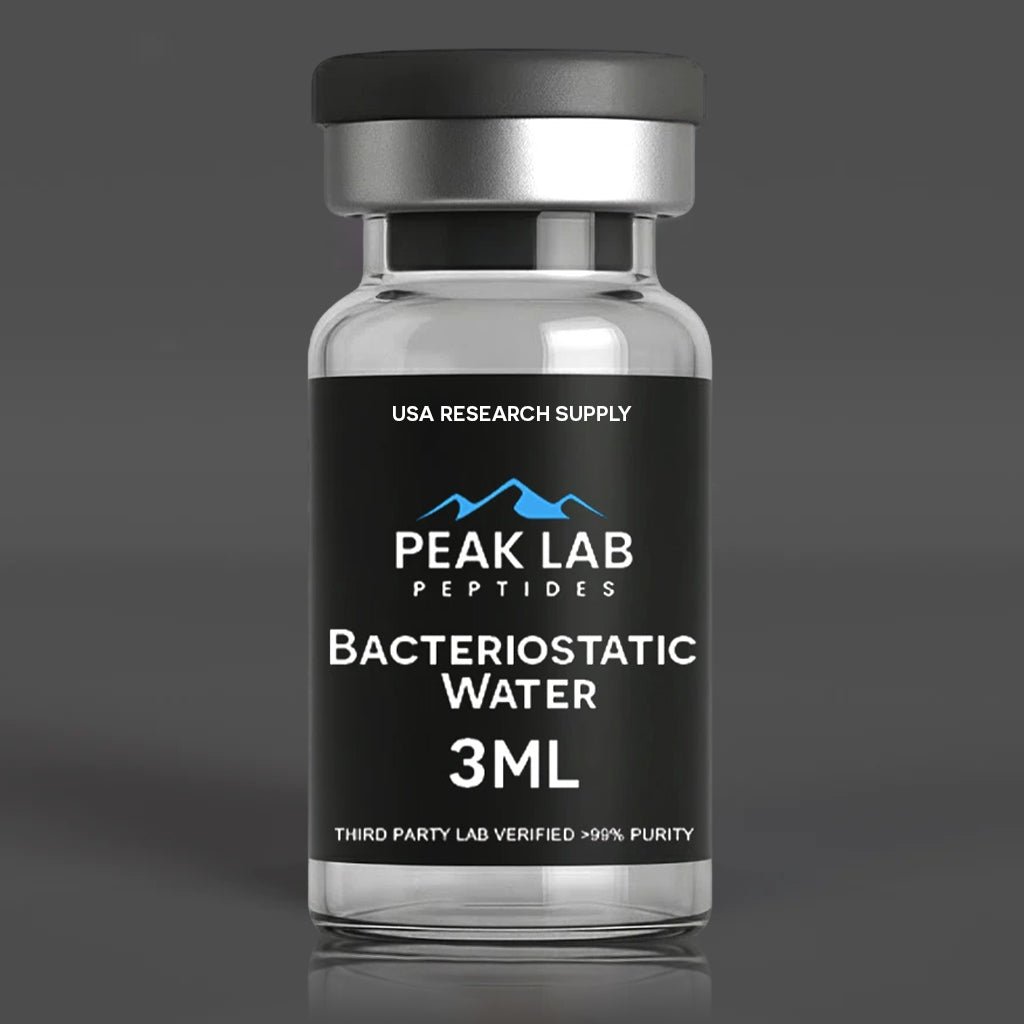
- Assuming “BAC” automatically means benzyl alcohol: Some products may differ. Always read the ingredient panel on the exact bottle/vial.
- Skipping sterility steps: Preservatives are not a substitute for sterile technique and correct storage.
- Using inconsistent handling across days: Temperature swings and inconsistent wipe/mixing routines can drive failure more than the preservative itself.
- Mixing without compatibility awareness: The final solution may behave differently depending on what you combine it with.
- Not tracking time windows: If your workflow opens vials repeatedly, track access and follow any labeled time guidance.
FAQ
Is it proven that BAC water has benzyl alcohol in it?
It’s not universally proven by the term “BAC water” alone. Whether your BAC water contains benzyl alcohol depends on the specific manufacturer and formulation. The only reliable “proof” for your product is the ingredient statement on the exact vial or packaging you purchased.
How long does it take for BAC water to clear once mixed, and does benzyl alcohol change that timing?
Timing depends on the mixing process, solution clarity goals, and the other ingredients involved. Benzyl alcohol doesn’t typically determine “clearance” the way a medicine would; it’s mainly a preservative. If you’re seeing cloudiness, separation, or unexpected behavior, don’t assume it will “resolve.” Re-check your technique, compatibility, and storage conditions.
What side effects are associated with benzyl alcohol in BAC water?
Possible reactions vary by person and exposure level. Some people report injection-site discomfort, irritation, or sensitivity to preservatives in certain contexts. Your best risk-reduction step is checking the concentration on your label and stopping if you experience unusual pain, persistent redness, or other concerning symptoms. If you have known preservative sensitivities, consider asking a clinician before proceeding.
Can I combine BAC water with other ingredients, and does benzyl alcohol affect mixing safety?
Mixing compatibility depends on what you’re combining, not just benzyl alcohol. BAC water may be intended for reconstitution workflows, but compatibility guidance should come from the relevant product instructions for the other ingredient(s). If you don’t have clear compatibility information, don’t guess.
Is oral use a better alternative than injection when BAC water has benzyl alcohol?
Oral vs injection is a different route with different safety and dosing considerations; a question about benzyl alcohol in BAC water doesn’t automatically translate into an “oral is better” answer. If you’re deciding between routes, follow the guidance associated with the specific substance you intend to use and consult a clinician when route choice matters.
A Practical 2-Week Experiment Framework
This is a cautious, consumer-style framework to help you learn how your body and workflow respond—without assuming guarantees. Keep it focused on tolerability, handling consistency, and label verification. If anything feels off, stop and reassess.
Before Day 1:
- Confirm your exact BAC water label: does it list benzyl alcohol, and what concentration?
- Write down your plan for storage and handling time windows.
- Prepare a simple log (date, product/lot, mixing notes, injection-site notes, any discomfort).
Days 1–7:
- Use consistent technique and the same workflow steps each time.
- Pay attention to immediate comfort: any sting, unusual irritation, or delayed discomfort.
- Observe any changes in appearance of the mixed solution (clarity, separation) and don’t ignore repeated oddities.
Days 8–14:
- Repeat the workflow exactly, using the same product and lot if possible.
- Track whether discomfort is consistent or escalating.
- If benzyl alcohol sensitivity is a concern, compare only within controlled conditions (don’t change multiple variables at once).
Stop/reevaluate criteria: persistent or worsening injection-site reactions, unexpected solution behavior, labeling uncertainty, or any scenario where you can’t clearly explain the change you’re seeing. The goal is learning and risk-reduction, not pushing through red flags.
About the Author
Author: Jordan Ellis, consumer-health and compliance-focused writer with 6+ years of experience reviewing formulation labels, reconstitution workflows, and ingredient transparency for people who want evidence-aware guidance. I’ve written product breakdowns that emphasize “label truth” (what the ingredient panel actually states), practical handling considerations, and how to interpret failure cases without turning them into hype. This article reflects a cautious consumer review style, not medical advice.
Disclaimer: I’m not a clinician, and this content doesn’t diagnose, treat, cure, or guarantee outcomes. Always follow the instructions on your specific products, and consult a qualified healthcare professional if you have sensitivities, symptoms, or concerns—especially when asking whether BAC water contains benzyl alcohol.
Discussion