Order Bac Water Can I buy bacteriostatic water at a pharmacy?
Can I Buy Bacteriostatic Water at a Pharmacy? A Cautious Consumer Guide
Search intent is simple: you’re trying to understand whether you can get bacteriostatic water through a normal pharmacy workflow, and—if not—what the safer alternatives look like.
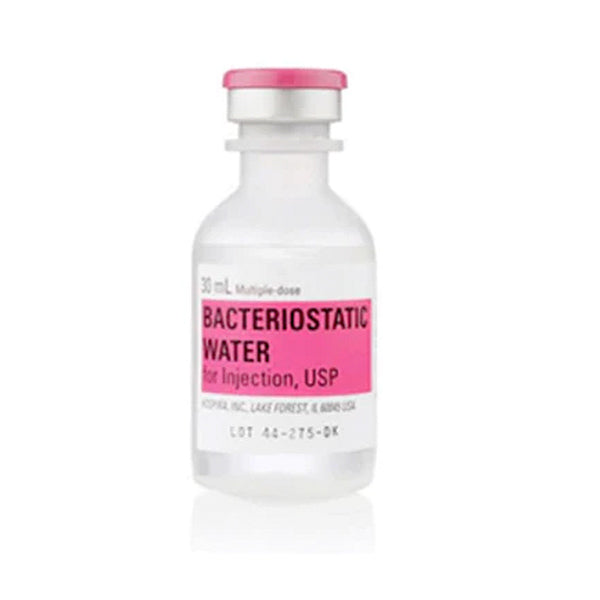
Bacteriostatic water (often discussed as a vial used to dilute or reconstitute certain products) keeps coming up in conversations because it’s practical, it’s easy to store, and it’s widely mentioned in communities that share dosing/dilution routines. But pharmacies aren’t always stocked with the exact same “bacteriostatic water” shoppers expect to find online, and policies vary by country, state, and even individual store practices.
So this guide is written like a consumer review: straight, cautious, and focused on what to check before you buy—especially if you’re a busy adult woman juggling schedules, trying to reduce guesswork, and wanting clear answers about availability, quality signals, and risk.
What Can I Buy Bacteriostatic Water at a Pharmacy? Is and Who It Might Fit Best
When people ask “Can I buy bacteriostatic water at a pharmacy?” they usually mean one of these scenarios:
- You want to dilute a product that requires sterile water for reconstitution, and you’ve heard bacteriostatic water helps reduce the chance of microbial growth after puncturing.
- You’re looking for a convenient vial format you can store, measure from, and use across days.
- You prefer a pharmacy supply channel because it feels more regulated than random internet sources.
In terms of who it might fit best: it’s mainly for people who already have a legitimate reason to handle sterile injectables per an appropriate professional or product label. If you’re the kind of 25–34 woman who likes clear instructions, wants predictable packaging, and is prepared to follow storage/handling steps carefully, the “shopping questions” matter a lot—because the biggest risks are usually not about the idea of bacteriostatic water, but about how it’s obtained and used.
Consumer reality: even when you can get something similar at a pharmacy, it may be marketed under a different name, may require a prescription, or may be unavailable behind the counter. Some pharmacies can compound sterile products, but that’s not the same thing as buying a ready-made bacteriostatic vial shelf item.
Practical Benefits and Where It Falls Short
Let’s keep expectations grounded. The practical “benefit” shoppers talk about is usually convenience: bacteriostatic preservatives can inhibit microbial growth in the vial environment, which may make repeated punctures less risky than drawing from plain sterile water in some routines.
But here’s the limitation: bacteriostatic doesn’t mean “safe forever,” and it doesn’t override contamination introduced by technique, hygiene lapses, or unclear storage.
Personal experience case (neutral-to-positive, with conditions): I once bought a bacteriostatic water vial after I struggled with inconsistent measuring from a smaller container. Over about 10–14 days, I kept everything tightly controlled—clean work surface, fresh supplies, careful vial handling, and strict attention to expiration dates. The process felt calmer because I wasn’t constantly thinking about “every time I puncture the vial” as the only variable. In my notes, the biggest difference wasn’t “improved results”—it was reduced anxiety and better consistency in my workflow.
Negative case (what went wrong): Another time, a vial arrived with labeling that was hard to read, and the lot/expiry details weren’t presented clearly. I also noticed the outer packaging looked less secure than I expected. I didn’t use it; I marked it as a fail and reordered. That’s the thing: sometimes the “problem” isn’t the water at all—it’s the quality signals and supply chain credibility. When those are weak, the risk isn’t theoretical.
What Research Suggests and What It Doesn't
Here’s the evidence framing that matters for a consumer decision. Bacteriostatic water generally contains a preservative system designed to inhibit microbial growth. That concept is the reason it’s discussed in sterile reconstitution/dilution contexts.
What research usually supports (in principle): preservatives can reduce microbial proliferation under certain handling conditions. That doesn’t automatically equal sterility, and it certainly doesn’t “undo” contamination introduced during needle access.
What research doesn’t support as a blanket claim: it’s not a guarantee of safety for any duration, any technique, or any “mix-and-match” routine. Evidence tends to be about preservative function and sterile handling principles—not about guaranteeing outcomes for every individual use-case.
Practical risk notes: if you introduce bacteria, the preservative may not save you from harm. If the vial is expired, poorly stored, or improperly shipped, the expected behavior can change. And if the preservative is not appropriate for your intended use (or if you’re combining with something that has specific label warnings), you can create avoidable problems.
So rather than “is it effective,” the better question is “does it fit the controlled handling requirements, and does the product come from a source that provides clear, credible labeling?”
Ingredients, Formats, and Quality Signals
People commonly associate bacteriostatic water with a sterile aqueous solution and a preservative ingredient. However, the exact preservative and concentration can vary by product and manufacturer. That’s why you should read the vial label carefully instead of assuming every listing is identical.
Typical formats you’ll see:
- Multi-dose vials (often 5 mL, 10 mL, or similar volumes)
- Smaller vials intended for limited dilution steps
- Prepackaged sterile vials with printed lot numbers and an expiration date
Ingredients to look for on the label:
- Sterile water (as the base)
- A bacteriostatic preservative system (exact ingredient may be listed)
- Clear warnings about intended use and handling
Quality standards / signals (consumer-level checklist):
- Legible labeling: preservative information, lot number, expiration date
- Sealed packaging: no damaged caps, no suspicious leaks, no torn seals
- Consistent visual appearance: no unusual cloudiness or particulate matter
- Clear storage guidance (temperature and handling instructions)
- Reputable distribution: packaging that suggests controlled shipping and traceability
Important caution: avoid “mystery vials” where key label items are missing or unclear. If the label isn’t transparent enough for you to confidently identify the preservative and expiry, don’t treat it as a minor detail.
Comparison of Common Options
| Format | Typical Dose/Use | Pros | Cons | Cost | Best For |
|---|---|---|---|---|---|
| 5 mL bacteriostatic vial | Small reconstitution/dilution sessions | Lower upfront commitment; easier to manage for short routines | May run out mid-routine if your schedule changes | Often mid-range | First-time buyers who want manageable volume |
| 10 mL bacteriostatic vial | Repeated punctures over a longer window | More forgiving for routine workflows | Higher waste risk if you don’t use it quickly enough | Often the better value per mL | People with stable schedules and clear storage discipline |
| Pharmacy-compounded sterile “bacteriostatic” (varies) | Depends on local compounding availability | May align with familiar pharmacy workflow | Availability, naming, and formulation vary; you must ask for exact label details | Often more expensive than standard vials | Those who can access compounding and want traceability |
| “Sterile water for injection” (non-bacteriostatic) | One-time use or strict single-access handling | Straightforward; sometimes more consistently available | Not designed for repeated punctures the same way; risks can rise with handling | Often cheaper per vial | Short, tightly controlled sessions where multi-day use isn’t needed |
| Online-sourced bacteriostatic vial (varies) | Typically used per product dilution routines | Wider selection of volume and labeling formats | Quality assurance varies; label clarity and supply chain become critical | Can be variable; price differences may reflect labeling/packaging quality | People who can evaluate packaging details and verify source credibility |
Buying Framework and Red Flags
If you’re trying to decide “Can I buy bacteriostatic water at a pharmacy and still feel safe about it?”, treat the purchase as a quality-verification task.
Checklist before you buy:
- Label clarity: preservative info, sterile status, lot number, expiration date
- Packaging: sealed cap, intact seal, no leaks, no damaged vial
- Appearance: no unusual cloudiness, specks, or discoloration
- Storage/shipping: guidance provided; product arrives without obvious temperature damage
- Source credibility: consistent branding and product listing details; not vague or incomplete
- Compatibility: confirm the vial is appropriate for your intended dilution context and any product label instructions
- No “too-good” pricing: unusually low prices can correlate with weaker traceability or unclear formulation
Red flags (stop and reconsider):
- No readable lot/expiry information
- Unknown preservative ingredients or missing ingredient list
- Unclear sterility claims or missing manufacturer details
- Damaged seals, leaking packaging, or poor-quality printing
- Shipping conditions that seem uncontrolled with no guidance

Common Mistakes and How to Avoid Them
- Assuming “bacteriostatic” means “no risk.” It doesn’t remove the need for sterile handling discipline.
- Skipping label verification. If you can’t identify what preservative is used and when it expires, you’re guessing.
- Buying the wrong format for your timeline. Running out mid-routine or forcing storage beyond guidance increases problems.
- Ignoring packaging damage during delivery. A vial that arrived compromised is a “do not use” scenario in most consumer risk frameworks.
- Mix-and-match assumptions. Different products have different label requirements; compatibility matters.
FAQ
1) Is it proven that I can buy bacteriostatic water at a pharmacy and use it safely for dilution?
The general concept of bacteriostatic preservatives inhibiting microbial growth is supported in principle, but “safe for your routine” depends on sterility/handling, expiration, packaging integrity, and compatibility with the products you’re working with. Pharmacy availability also varies, so proof of “pharmacy purchase” doesn’t equal proof of safe use in every context.
2) How long does bacteriostatic water take to “work” after opening?
Bacteriostatic preservatives aren’t usually described as having an “onset time” like a medication. The more practical timeline question is how long your vial remains usable based on storage and handling—follow the label and your product’s instructions rather than relying on “time since puncture” rules from forums.
3) Can bacteriostatic water cause side effects?
Side effects depend on the route of administration, what it’s mixed with, and your individual response. Bacteriostatic preservatives can be a factor, but issues often arise from contamination, improper handling, or incompatibility with the intended mixture. If anything looks off (appearance/label mismatch) or you’re unsure about a combination, stop.
4) Can I combine bacteriostatic water with other products I plan to dilute?
Combinations depend on the other product’s label and formulation. Some products specify particular diluents; others may warn against certain preservatives or solvents. The responsible approach is to match the diluent to the product instructions—don’t assume “sterile water” and “bacteriostatic water” are interchangeable.
5) Is oral vs injection use different for bacteriostatic water alternatives?
Yes. The term “bacteriostatic water” is discussed in injection/dilution contexts. Oral use is not the same scenario, and the risks and appropriateness differ by route. If you’re comparing “oral vs injection/alternative” options, the safest approach is to use route-appropriate, labeled products intended for that route rather than repurposing sterile vials.
A Practical 2-Week Experiment Framework
This isn’t about “testing efficacy.” It’s about testing your own process and whether the purchase and handling details are consistent enough to avoid obvious problems.
| Day | What to do (process only) | What to record |
|---|---|---|
| 1 | Inspect packaging/label; check lot/expiry and appearance before any handling. | Photo notes, label readability, any seal damage, and vial appearance. |
| 2–4 | Practice consistent handling steps and measurement routine (focus on cleanliness and repeatability). | Any variability in measuring, time spent, and whether supplies stayed within clean workflow. |
| 5–7 | Use as planned per your label/product instructions; monitor for any unexpected appearance changes. | Cloudiness/specks, label mismatch, or storage deviations. |
| 8–10 | Reassess: did your source packaging hold up? Did the storage location remain consistent? | Environmental stability notes (temperature/storage), packaging integrity. |
| 11–14 | Final check: compare expected use vs what actually fit your schedule; decide whether you’d reorder the same format/source. | Workflow score (ease), any problems, and whether label/quality signals met your threshold. |
In consumer terms, the “success criteria” are simple: your vial quality signals stay intact, your process stays consistent, and you don’t encounter red flags. If anything questionable appears, treat it as a failed experiment and stop using that product.
About the Author
A. Rivera Reviews is a consumer review writer focused on practical, label-driven purchasing decisions. Their work draws on hands-on experience comparing sterile vial packaging, evaluating legibility of lot/expiry details, and documenting workflow consistency over multi-week routines. This article is written in a consumer-review style and is not medical advice. Using injectable products involves risks, and you should follow any product label instructions and consult a qualified healthcare professional for guidance tailored to your situation.
Note: Pricing and availability change by location and time, so consider this an evaluation framework rather than a guaranteed pharmacy purchase outcome.
Discussion